Website traffic is one of the strongest indicators of digital growth. Higher traffic improves brand visibility, supports lead generation, and increases revenue opportunities. However, traffic growth does not happen randomly. It requires a structured combination of search engine optimization (SEO), content strategy, authority building, and paid acquisition methods.
This optimized guide explains how to increase website traffic using sustainable SEO strategies while balancing short-term and long-term growth channels.
Understanding SEO Traffic
SEO traffic refers to visitors who land on your website through unpaid search engine results. When users type a query into a search engine like Google and click on your organic listing, that visit is classified as organic traffic.
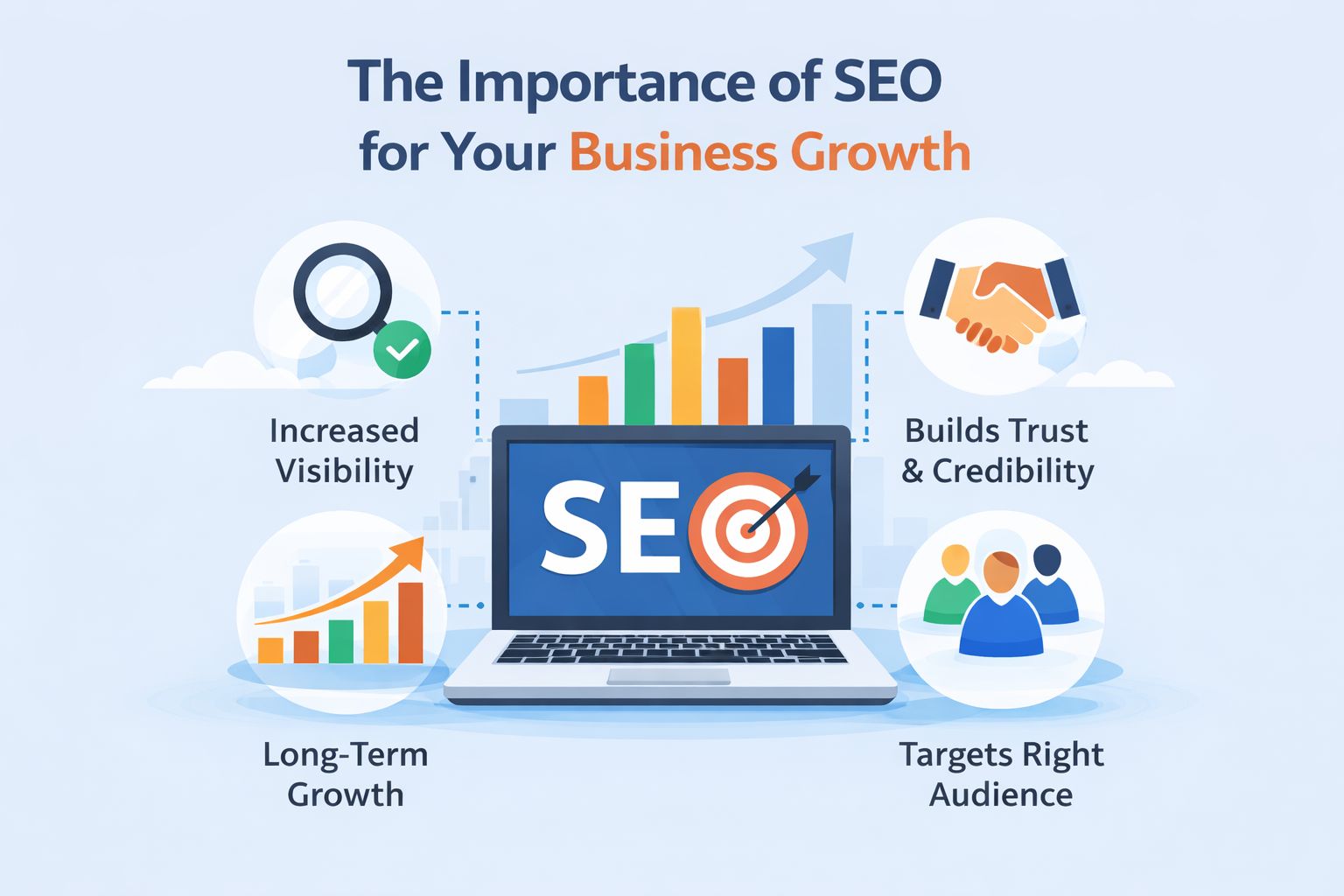
Unlike paid traffic, SEO traffic compounds over time. While it requires consistent effort, it delivers sustainable growth once authority and rankings improve.
Why SEO Traffic Matters
- Builds long-term brand authority
- Reduces dependency on paid ads
- Delivers higher trust compared to sponsored results
- Improves cost efficiency over time
SEO is not an instant solution. It is a growth strategy that rewards consistency and quality.
How SEO Generates Website Traffic
SEO drives traffic through three interconnected pillars:
1. On-Page SEO
On-page SEO focuses on optimizing elements within your website to improve visibility in search engine results pages (SERPs).
Key components include:
- Targeted keyword placement
- Optimized headings (H1, H2, H3)
- Structured internal linking
- High-quality content aligned with search intent
- Optimized images with descriptive alt text
When pages clearly address user queries, search engines are more likely to rank them higher.
2. Off-Page SEO
Off-page SEO strengthens your site’s authority through external signals.
The most important factor is backlinks. When reputable websites link to your content, search engines interpret it as a signal of trust and relevance.
Effective off-page strategies include:
- Guest blogging
- Digital PR outreach
- Industry partnerships
- Niche community participation
Authority signals significantly influence rankings and organic traffic growth.
3. Technical SEO
Technical SEO ensures search engines can efficiently crawl, index, and rank your website.
Important factors include:
- Fast page load speed
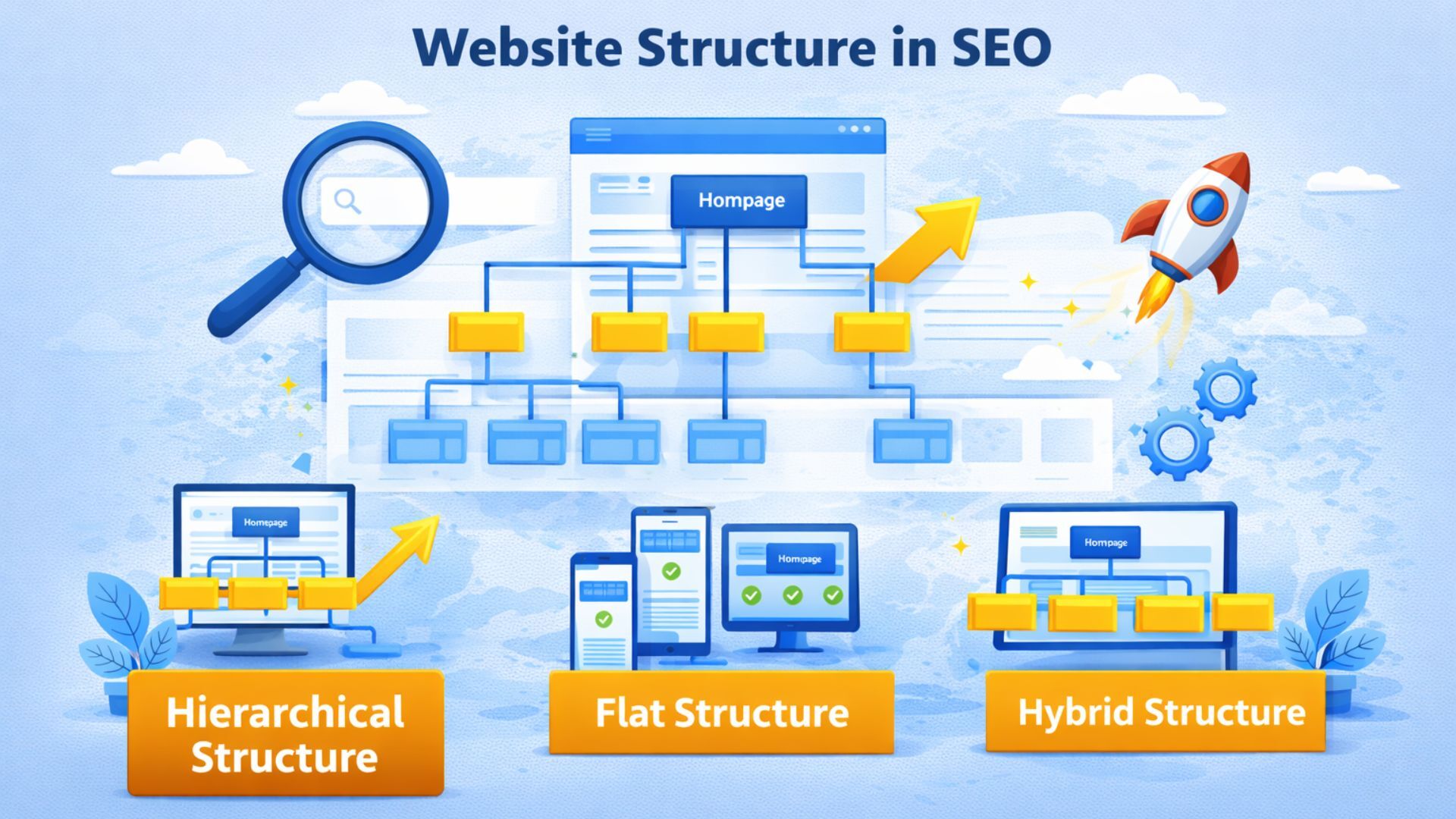
- Clean site architecture
- XML sitemap implementation
- Mobile responsiveness
- Secure HTTPS protocol
Without technical optimization, on-page and off-page efforts lose effectiveness.
Proven Strategies to Increase Website Traffic
Below are high-impact methods to improve search engine rankings and drive consistent traffic growth.
1. Target the Right Keywords
Keyword research is the foundation of any SEO strategy.
Focus on:
- Search volume
- Keyword difficulty
- Search intent
- Competitive landscape
For newer websites, prioritize long-tail keywords with moderate search volume and lower competition. These often convert better because they reflect specific intent.
As domain authority improves, gradually target more competitive primary keywords.
2. Create High-Quality Content
Search engines prioritize content that provides value.
To outperform competitors:
- Address search intent clearly
- Provide comprehensive explanations
- Use real examples and data
- Include structured formatting
- Maintain readability
Your goal should be to create the most useful resource on a given topic.
3. Optimize for Local Search
If your business serves a specific region, local SEO is essential.
Create and optimize your profile on Google My Business to improve visibility in local search results and map listings.
Ensure:
- Accurate business details
- Updated contact information
- Consistent directory listings
- Positive customer reviews
Local optimization can significantly increase website visits and foot traffic.
4. Build High-Quality Backlinks
Backlinks remain one of the strongest ranking factors.
Effective backlink strategies include:
- Guest posting on reputable sites
- Publishing data-driven research
- Earning editorial mentions
- Listing in relevant industry directories
Focus on quality over quantity. Links from high-authority domains provide stronger ranking signals.
5. Improve On-Page Optimization
Conduct regular SEO audits to identify improvement areas.
Ensure:
- Keywords appear naturally in titles and headings
- Meta descriptions are compelling
- URLs are clean and descriptive
- Internal links connect related pages
- Images are compressed for speed
Proper on-page optimization improves search visibility and user engagement.
6. Increase Page Speed
Page speed is a confirmed ranking factor. Slow websites reduce both rankings and conversions.
To improve speed:
- Compress images
- Minimize plugins
- Use lightweight themes
- Enable caching
- Optimize server response time
Faster pages support both SEO and user experience.
7. Leverage Paid Advertising for Instant Traffic
While SEO delivers long-term growth, paid ads generate immediate traffic.
Platforms like Google Ads allow you to appear at the top of search results for selected keywords.
Paid advertising is useful when:
- Launching new products
- Promoting seasonal campaigns
- Testing keyword viability
- Generating short-term traffic spikes
Combining paid ads with SEO creates balanced growth.
8. Use Social Media to Amplify Reach
Social media platforms help distribute content and attract referral traffic.
Share blog posts, industry insights, and updates consistently. Engage audiences rather than focusing only on promotion.
Strategic social media engagement increases brand awareness and website visits.
9. Implement Email Marketing
Email marketing drives repeat traffic and nurtures customer relationships.
Effective strategies include:
- Sending newsletters
- Promoting new blog posts
- Sharing exclusive insights
- Encouraging return visits
Email traffic often converts at higher rates due to audience familiarity.
10. Create Targeted Landing Pages
Dedicated landing pages increase relevance for specific audiences.
Each page should:
- Focus on one core objective
- Include a clear call-to-action (CTA)
- Match user search intent
- Provide detailed information
Targeted pages improve both traffic quality and conversion rates.
11. Ensure Mobile Responsiveness
Google uses mobile-first indexing. Websites that are not mobile-friendly lose ranking opportunities.
Ensure:
- Responsive design
- Fast mobile loading
- Easy navigation
- Readable text without zooming
Mobile optimization directly impacts organic traffic performance.
12. Monitor Performance with Analytics
Use tools like Google Analytics to measure traffic sources, user behavior, and engagement.
Track:
- Organic traffic growth
- Bounce rates
- Conversion metrics
- Top-performing pages
Data-driven decisions improve long-term traffic growth.
Expected Timeline for SEO Results
SEO growth follows a gradual trajectory.
First 3 Months
- Ranking improvements begin
- Increased impressions
6 Months
- Organic traffic starts growing beyond branded searches
12 Months
- Noticeable traffic acceleration
- Stronger keyword visibility
24 Months
- Established authority
- Broad ranking coverage
- Sustainable traffic growth
Consistency is critical. SEO rewards long-term commitment.
Common Mistakes That Limit Website Traffic
- Ignoring search intent
- Publishing thin content
- Overusing keywords
- Neglecting technical SEO
- Focusing only on traffic, not conversions
- Relying entirely on paid ads
Avoiding these mistakes strengthens overall performance.
Conclusion
Increasing website traffic requires a balanced strategy that integrates on-page SEO, off-page authority building, technical optimization, and strategic promotion. While paid ads deliver immediate visibility, sustainable traffic growth depends on strong organic foundations.
By targeting the right keywords, creating valuable content, improving technical performance, and building credible backlinks, businesses can improve search engine rankings and drive consistent website traffic growth.
SEO is not a quick fix. It is a long-term investment that builds authority, trust, and measurable business impact over time.