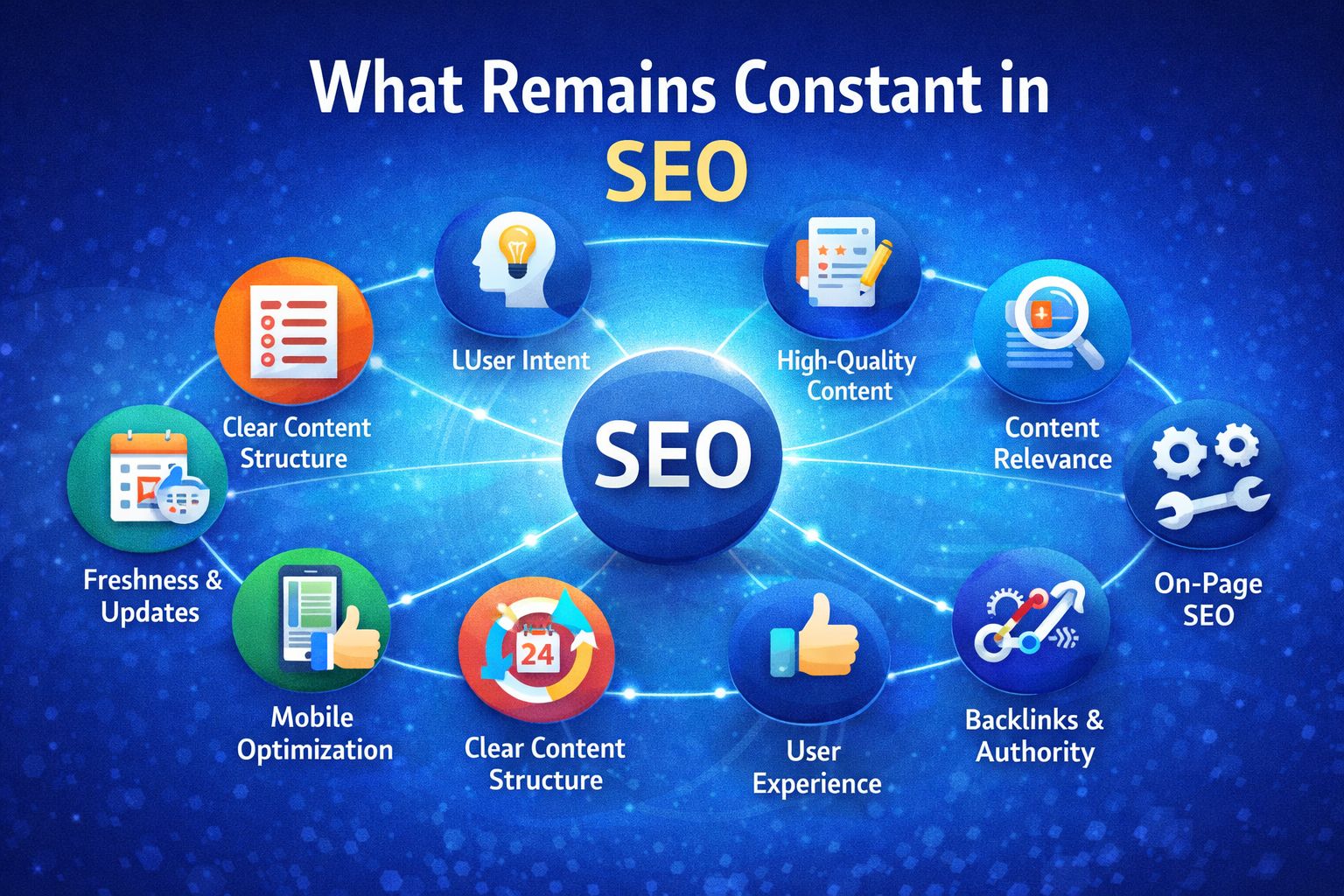
Search visibility today depends on more than just publishing content. Search engines evaluate how well a page answers user queries, how clearly information is structured, and how smoothly users can interact with the page.
This is where on-page SEO becomes essential. It ensures that every element within a webpage works together to improve discoverability, readability, and engagement.
This guide explains what is on-page SEO, how it works, and how to optimize content, technical elements, and user experience for better rankings.
What Is On-Page SEO?
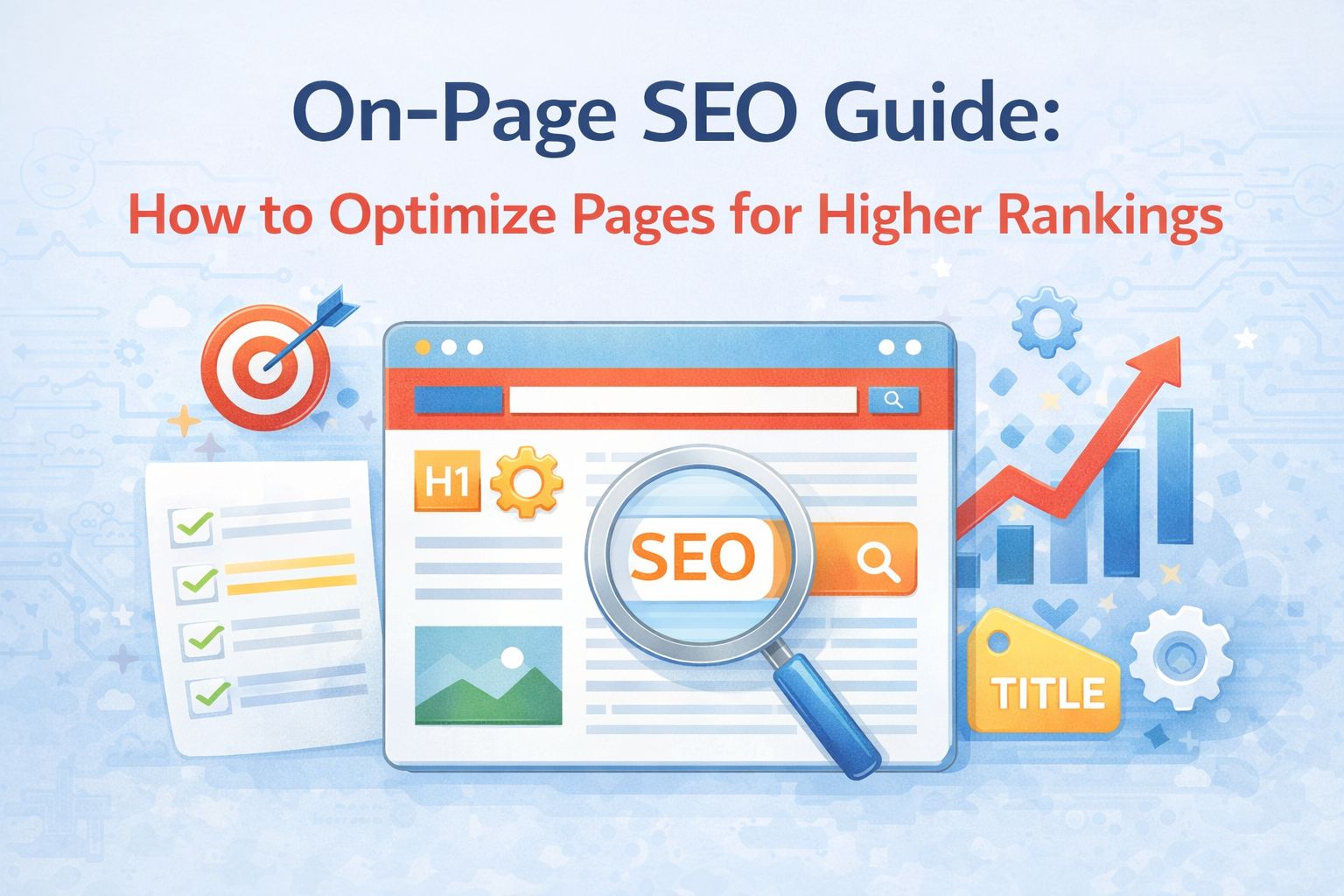
On-page SEO is the process of optimizing all elements within a webpage that influence search rankings. These include content, keywords, HTML tags, internal links, page speed, images, and overall structure.
Unlike off-page SEO, which focuses on external signals such as backlinks, on-page SEO deals entirely with factors you control on your website.
Core Purpose of On-Page SEO
- Improve Content Relevance
Search engines analyze page elements to understand the topic. Proper keyword placement, headings, and metadata help match content with search queries. - Enhance User Experience
Pages that are easy to read, fast to load, and well-organized keep users engaged longer, improving performance signals.
Content Quality and Keyword Strategy
Understanding Search Intent
Before creating content, identify why users are searching. This determines how the content should be structured.
Types of Search Intent:
- Informational – Learning a topic
- Navigational – Finding a specific site
- Commercial – Comparing options
- Transactional – Taking action
Matching intent ensures relevance and improves rankings.
Strategic Keyword Placement
Keywords help search engines understand page context, but they must be used naturally.
Key Placement Areas:
- Title tag
- H1 heading
- First 100 words
- Subheadings (H2, H3)
- Body content
- Meta description
Avoid repetition. Use variations and related terms to maintain readability.
Building Topical Depth
High-performing pages cover a topic completely.
For example, an article on on-page SEO should also include:
- title tags
- meta descriptions
- internal linking
- page speed
- structured data
This signals authority and improves ranking potential.
Technical On-Page SEO Elements
Title Tags
The title appears in search results and influences clicks.
Best Practices:
- Keep under 60 characters
- Include primary keyword
- Use clear language
Meta Descriptions
Meta descriptions summarize page content.
Optimization Tips:
- 150–160 characters
- Include primary keyword
- Add a clear value proposition
Header Tags (H1, H2, H3)
Headers organize content and improve readability.
- H1: Main topic
- H2: Major sections
- H3: Subsections
Proper structure helps both users and search engines.
URL Structure
URLs should clearly describe page content.
Best Practices:
- Keep short
- Include keywords
- Use hyphens
Example:
/on-page-seo-guide
Image Optimization and Page Performance
Image Optimization
Images enhance engagement but must be optimized.
Key Steps:
- Compress file size
- Use descriptive file names
- Add alt text
Alt text improves accessibility and helps search engines understand images.
Page Speed and Core Web Vitals
Page speed directly impacts rankings and user experience.
Key Metrics:
- LCP (loading speed)
- INP (interaction responsiveness)
- CLS (layout stability)
Improve performance by:
- compressing images
- reducing scripts
- enabling caching
Internal and External Linking
Internal Linking
Links within your site help users and search engines navigate.
Benefits:
- Improves crawling
- Distributes authority
- Enhances navigation
Use descriptive anchor text instead of generic phrases.
External Linking
Linking to trusted sources improves credibility.
Benefits:
- Adds context
- Builds trust
- Supports information depth
Enhancing User Experience Signals
Search engines analyze how users interact with pages.
Positive Signals:
- Longer time on page
- Lower bounce rate
- Higher engagement
Readability Optimization
Make content easy to consume:
- Short paragraphs
- Bullet points
- Clear headings
- Adequate spacing
Mobile Optimization
Mobile-first indexing makes mobile performance critical.
Ensure:
- responsive design
- readable text
- fast loading
Structured Data (Schema Markup)
Structured data helps search engines interpret content more effectively.
It enables enhanced results like:
- FAQs
- article snippets
- how-to guides
On-Page SEO Checklist
- Keyword research aligned with intent
- Optimized title tag and meta description
- Clear H1 and structured headings
- Comprehensive content coverage
- Short, keyword-focused URL
- Optimized images and alt text
- Internal and external links
- Fast page speed
- Mobile responsiveness
- Schema implementation
Conclusion
On-page SEO combines content quality, technical structure, and user experience to improve search performance.
When optimized correctly, webpages become:
- easier to understand
- easier to navigate
- more likely to rank
On-page SEO is a continuous process. Regular updates and improvements ensure long-term visibility and growth.